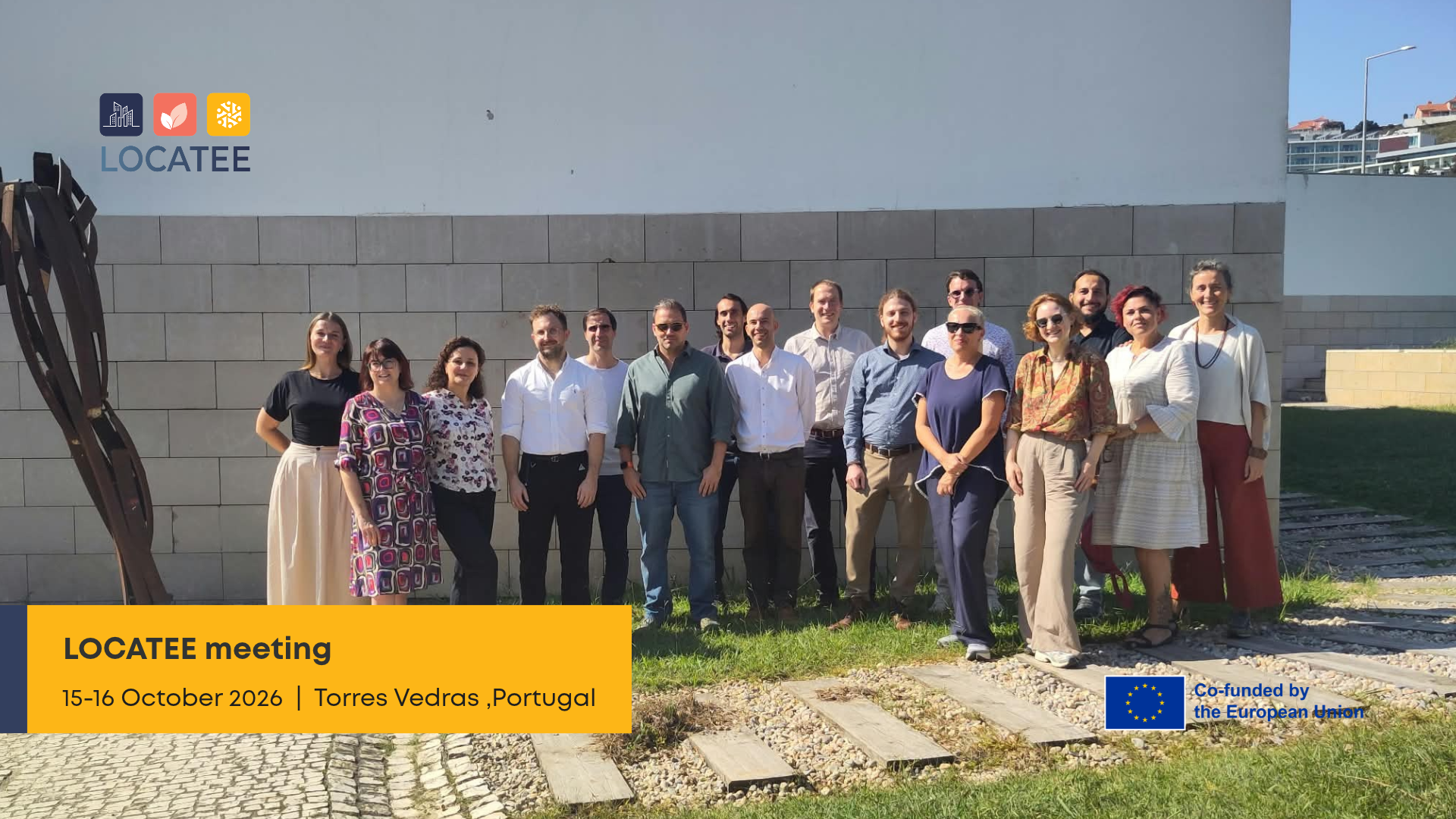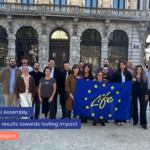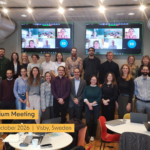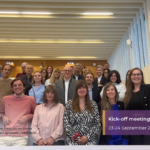
On 15–16 October 2026, the LOCATEE consortium gathered in Torres Vedras, Portugal, for a two-day project meeting focused on reviewing progress, strengthening implementation and defining priorities for the project’s final year. Hosted by the Municipality of Torres Vedras, the meeting brought partners together to exchange experiences, address outstanding tasks and coordinate the actions needed to ensure that LOCATEE’s results deliver lasting value for local authorities and communities.
A key focus of the meeting was the implementation of the Energy Poverty Mitigation Services (EPMS) across the three pilot municipalities: Torres Vedras in Portugal, Rumia in Poland and Piraeus in Greece. Partners reviewed progress in each pilot, discussed municipal action plans and coordinated upcoming activities, including stakeholder engagement, workshops, awareness-raising campaigns and the preparation of technical outputs and supporting materials for local authorities.
Particular attention was given to the replication and wider uptake of the EPMS at the national level across the pilot countries and beyond. Partners explored opportunities to transfer LOCATEE’s approach to additional municipalities, drawing on experiences and lessons learned from the three pilots. Discussions also addressed the potential integration of the EPMS into Sustainable Energy and Climate Action Plans (SECAPs), capacity-building and training activities, the use of administrative data and approaches to ensuring the long-term sustainability of the services beyond the project’s lifetime.
The TEESlab team, represented by Akis Apostoliotis, contributed to discussions on the replication and wider uptake of the EPMS. The exchanges focused on translating project results and lessons learned into practical implementation priorities, particularly regarding the integration of the EPMS into municipal activities and its longer-term application in the Municipality of Piraeus.
The meeting also provided an opportunity to discuss research addressing key challenges in the energy transition, including bottom-up demand-side modelling to assess decarbonisation and energy affordability impacts, as well as data-driven approaches to prioritising building renovations while considering fairness and social justice.
The second day focused on outstanding project indicators, reporting requirements and communication and dissemination activities. The consortium then reviewed lessons learned, discussed recommendations and agreed on the priorities guiding the project’s final-year action plan.
As LOCATEE enters its final year, the continued collaboration among project partners will be essential to consolidating its results, supporting their practical application and facilitating the replication of the EPMS in additional municipalities.
The consortium extends its thanks to the Municipality of Torres Vedras for hosting and organising the meeting, and to all partners for their constructive discussions and continued commitment to the project’s objectives.