
-
Test
A Comparison of Dispatchable RES Technoeconomics
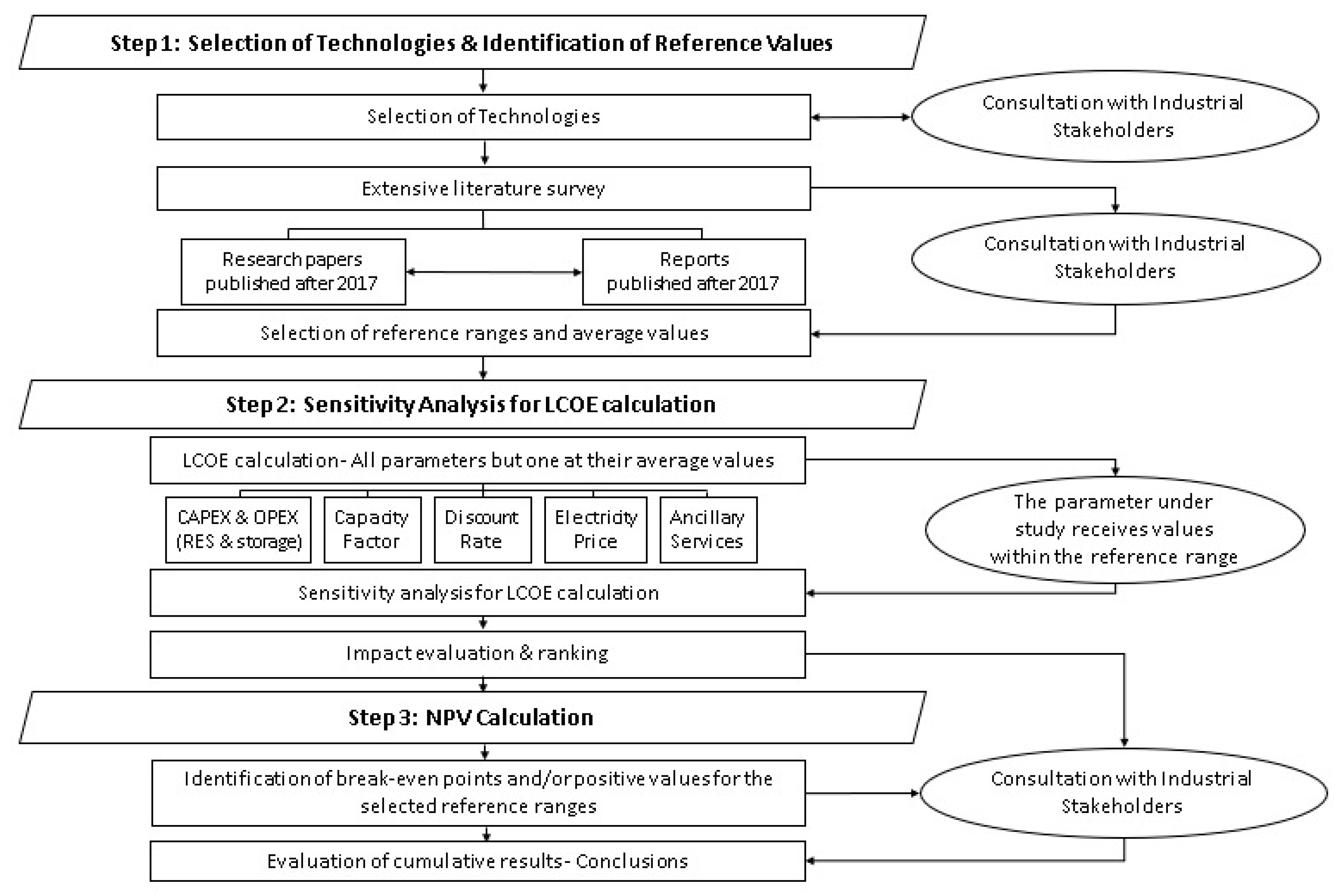
We are glad to inform you that our work entitled “A Comparison of Dispatchable RES Technoeconomics: Is There a Niche for Concentrated Solar Power? ” has been published in the Energies MDPI journal, detailing the outcomes of our latest research activity carried out in the frame of the EC-funded “H2020 MUSTEC” project. Read our Open Access work about the comparative advantages of diverse RES technological solutions coupled with storage, as well as the circumstances required in order to enhance the expansion of CSP, following the link here.

-
Test
Do you have a policy target? We have the AIM to guide you towards success!
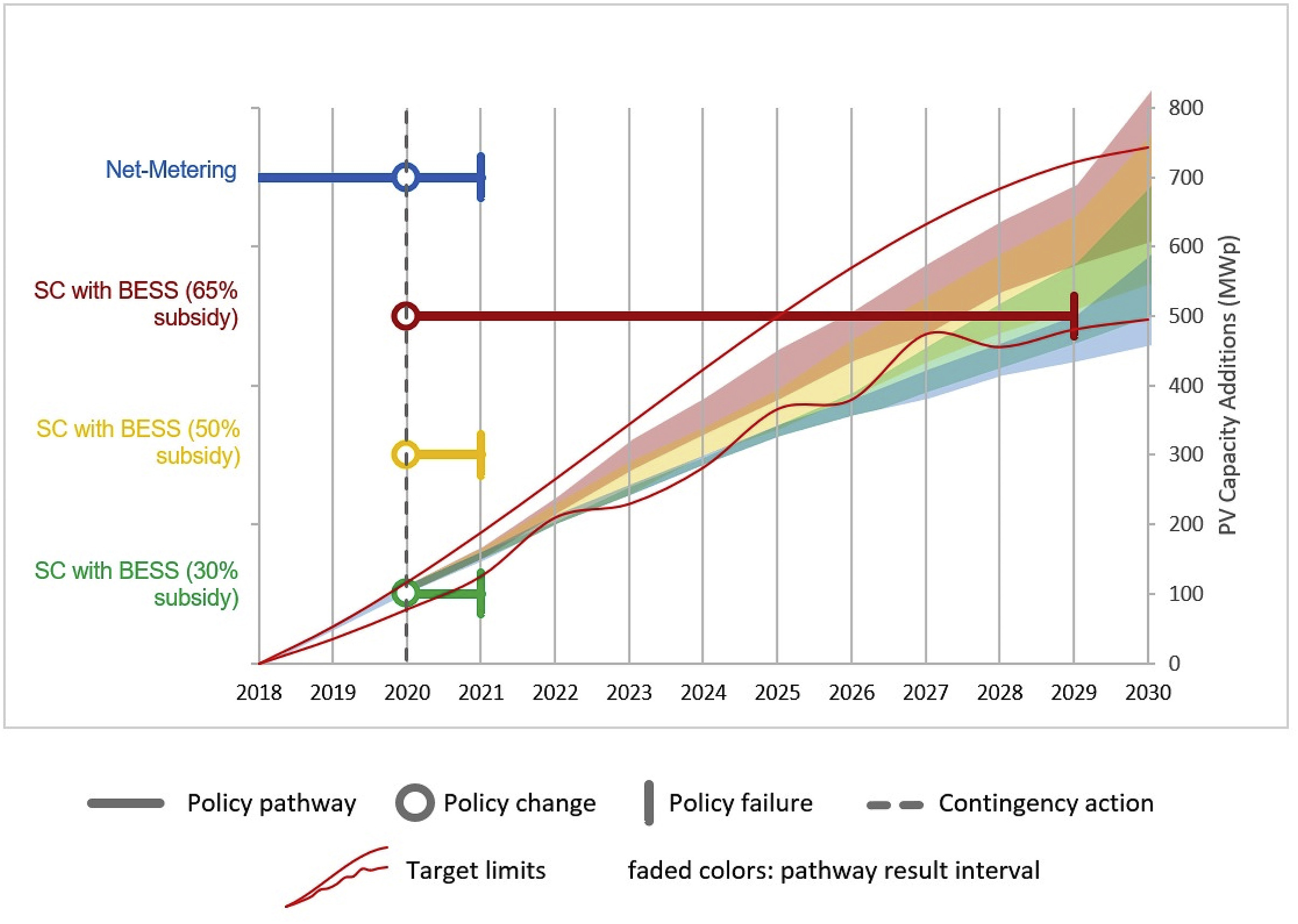
We are glad to inform you that our article entitled “A transdisciplinary modeling framework for the participatory design of dynamic adaptive policy pathways” has been published in the Energy Policy journal. Policy targets are set. But how can they be achieved? This article presents the Adaptive Policymaking Model (AIM), a plugin modeling toolbox that provides hands-on-support to policymakers for the selection of policy pathways leading to desired targets. The novelty of AIM lies in (i) identifying the conditions under-, and the timeframe beyond- which a policy starts to deviate from the set targets, (ii) visualizing a map of robust policy…
-
Test
Future development of the European solar market towards decentralized renewable energy generation and storage: A cross-country comparative analysis
Mr. Vassilis Stavrakas, Research Associate of TEESlab, participated in the 14th Conference on Sustainable Development of Energy, Water and Environment Systems (SDEWES14) in Dubrovnik, presenting preliminary modeling outcomes on how the European solar market could develop in the future towards a decentralized electricity system. In particular, Mr. Stavrakas, in the context of the vision of a European decentralized electricity system, highlighted the importance of novel business models that will monetize the value of the technological infrastructure that could bring demand-flexibility into power markets. His presentation focused on the applicability of a transdisciplinary modeling framework that explores ways to couple small-scale…
-
Test
An agent-based model to simulate technology adoption quantifying behavioural uncertainty of consumers
We are glad to inform you that our article entitled “An agent-based model to simulate technology adoption quantifying behavioural uncertainty of consumers” has been published in the Applied Energy journal. A good estimation of consumers’ expected response to specific policy measures is of paramount importance in the design of effective schemes for the adoption of new technologies. The decision-making process of consumers is influenced by a multitude of factors. In this context, agent-based modeling techniques provide an appropriate framework to model such private adoption decisions. However, the models currently in use often fail to capture uncertainties related to agency and…