
-
Test
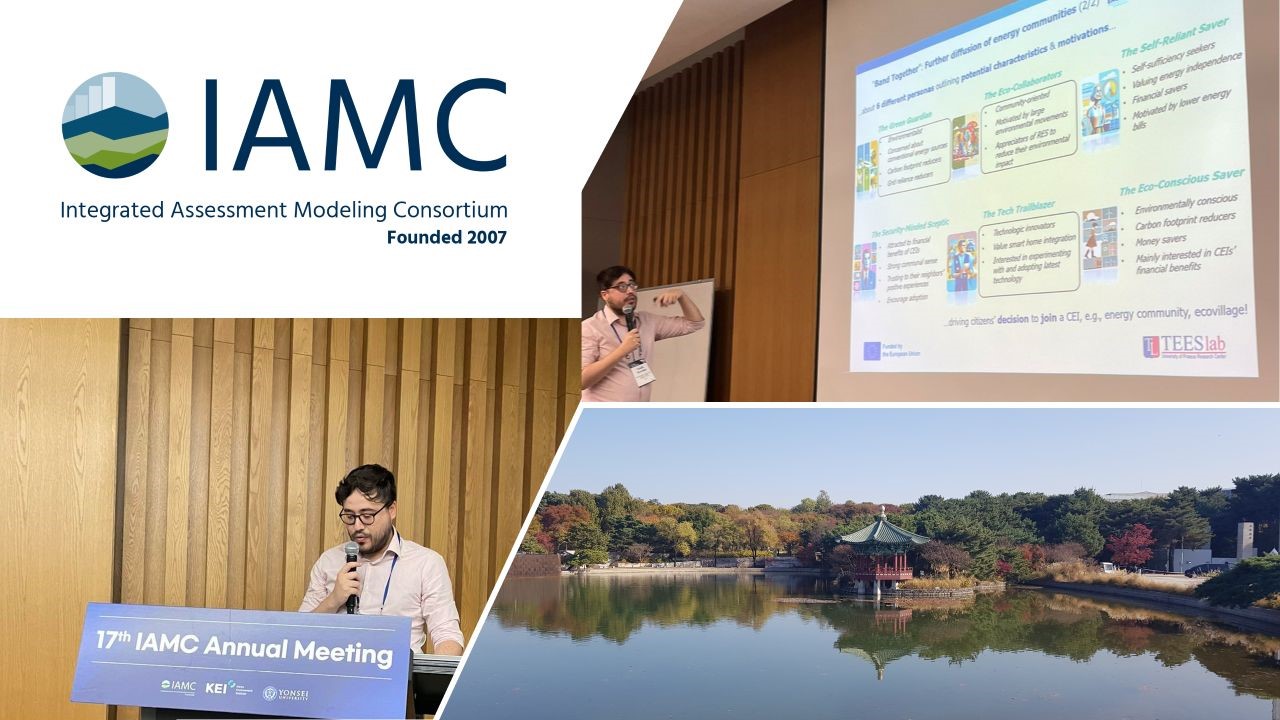
TEESlab at the 17th Integrated Assessment Modeling Consortium (IAMC) Annual Meeting – Day 3 Recap!
After two incredible days at the 17th Integrated Assessment Modeling Consortium (IAMC) Annual Meeting filled with insights in the field of Integrated Assessment Models (IAMs) and networking opportunities between different institutions, we are happy to dive into the presentation of our team at Day 3. If you are interested in learning more about our contributions from Day 1 visit here! During the 3rd day of the conference, our colleague Dr. Vassilis Stavrakas presented the study entitled “Decarbonisation Pathways of Energy Citizenship: How citizens can contribute to the energy system in different ways and their impacts”. This presentation summarised findings of…

-
Test
New ENCLUDE report: Development of decarbonization pathways based on social innovations of energy citizenship
Our new report entitled “Report on the development of decarbonization pathways based on social innovations of energy citizenship”, produced within the context of the European Commission-funded Horizon 2020 project ENCLUDE, has been published! The aim of this report is to strive for the development of a comprehensive set of narratives and scenarios that will be used in the upcoming modeling exercises to produce outcomes related to the assessment of the decarbonization potential of the energy citizenship concept. In order to reach this goal, the literature around the development of decarbonization narratives and scenarios was explored, using as a starting point…
-
Test
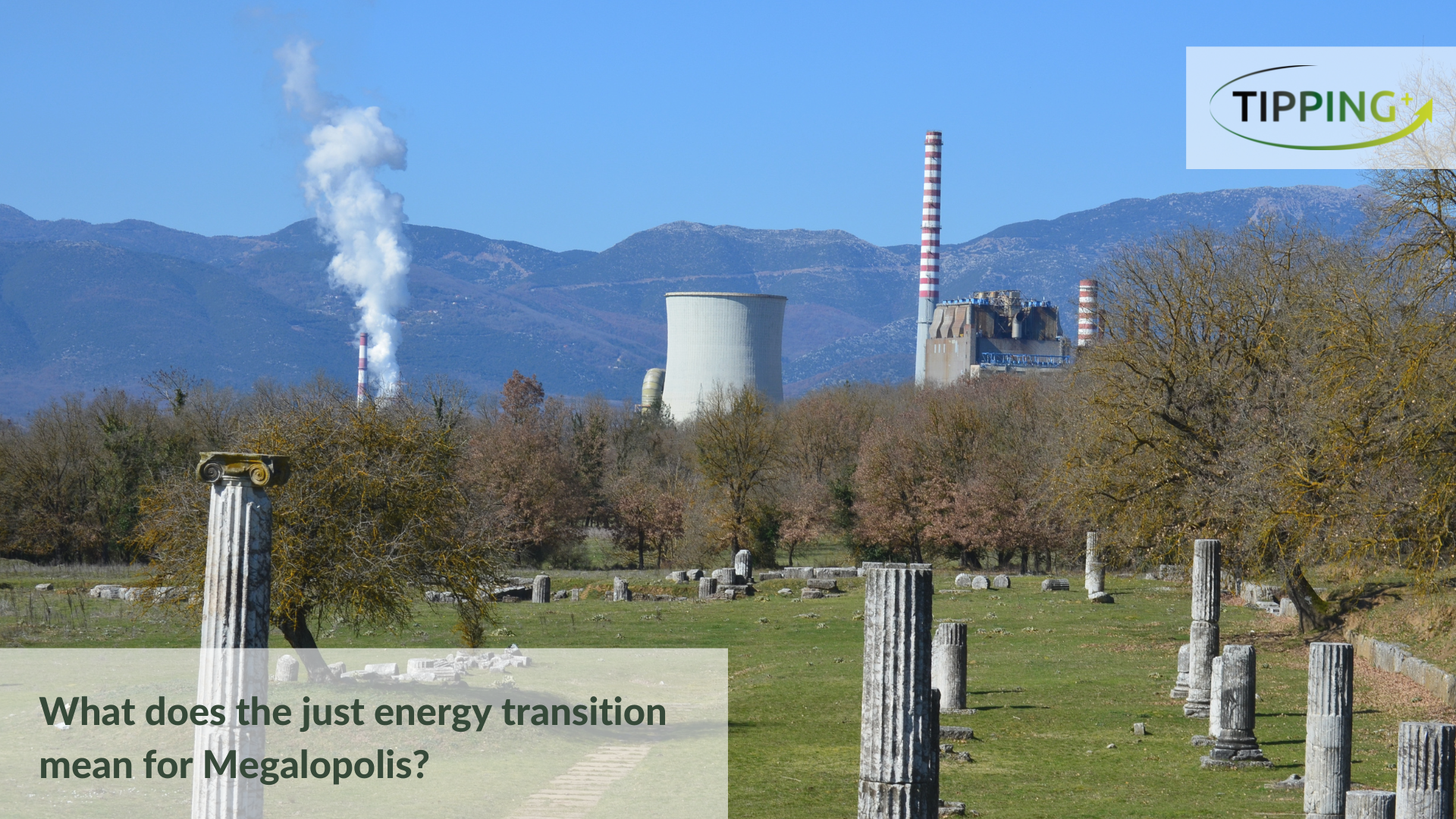
TIPPING+: Field visit at Megalopolis’ energy center!
The Technoeconomics of Energy Systems laboratory (TEESlab), within the context of the Horizon 2020 TIPPING+ project, participated in a two-day trip at the Coal and Carbon Intensive Region of Megalopolis and the nearby capital of the regional unit, Tripoli. During the two-day visit, we visited the natural gas and lignite units located in Megalopolis. We were able to meet with local stakeholders from the PPC S.A. and the Municipality of Megalopolis to discuss the economic and social aspects of decarbonization. We talked about the future of investments in the region aiming to increase local employment as well as critical challenges…
-
Test
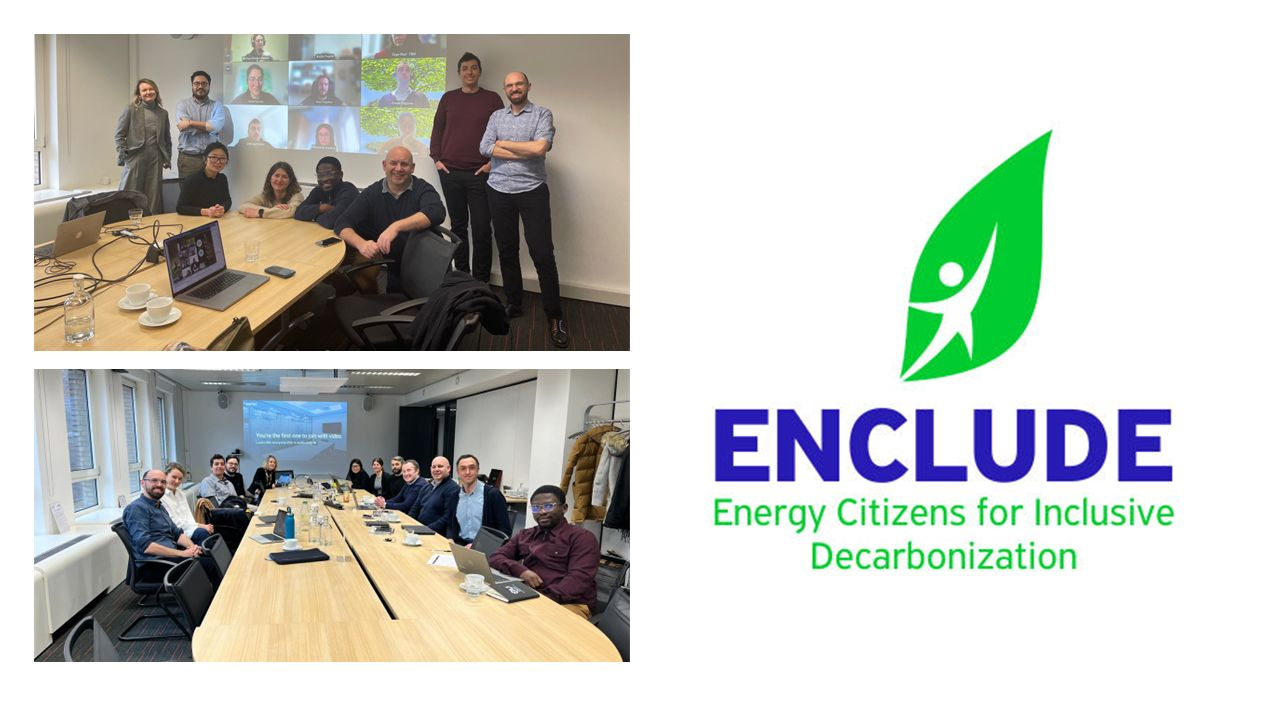
ENCLUDE: The 3rd General Assembly was completed!
The TEESlab – Technoeconomics of Energy Systems laboratory participated in the 3rd General Assembly of the ENCLUDE project that took place on February 2, 2023 in Brussels. During the meeting, ENCLUDE partners gathered together to discuss the project’s progress over the past 18 months and to explore and plan the next steps concerning the ENCLUDE Academy and the Interactive Policy Platform. For this General Assembly the main goal was to prepare for the project’s first review meeting with the European Commission. In particular, Dr. Vassilis Stavrakas presented the workplan and achievements of Work Package 5 (WP5). Our team is responsible…
-
Test
New paper: Are there preferable capacity combinations of renewables and storage?
Our new paper entitled “Are there preferable capacity combinations of renewables and storage? Exploratory quantifications along various technology deployment pathways” produced within the context of the Horizon 2020 Sustainable Energy Transitions Laboratory (SENTINEL) project is now published at Elsevier’s Energy Policy journal! The paper examines how do different configurations of renewable energy capacity perform in terms of pledged renewable penetration targets, how much storage does each configuration require, and what is the cost intensity of each renewable plus storage build-out. Through soft-linking our STREEM and AIM models, we perform exploratory analysis of all possible pathways towards the 2030 milestone horizon…